
In recent years, the way we work has undergone a seismic shift. The rise of hybrid and remote working has brought flexibility, freedom, and new ways of collaborating. But it has also introduced unique challenges: blurred boundaries, digital fatigue, loneliness, and an “always-on” culture that can quietly erode wellbeing.
As our work environments straddle both the physical and virtual, many of us are grappling with how to stay connected, not just to our colleagues, but also to ourselves. This is where mindfulness becomes not just helpful, but essential. Mindfulness offers practical, evidence-based tools that help us navigate the demands of the hybrid workplace while protecting our mental health and sustaining focus, resilience, and connection.
The Hidden Challenges of Hybrid Work
Hybrid work brings with it a paradox. While it offers autonomy and flexibility, it also tends to blur the lines between professional and personal life. Many employees report struggling with:
- Digital fatigue: Back-to-back virtual meetings, constant notifications, and long hours in front of screens drain mental energy.
- Disconnection: Without the informal chats at the coffee machine or spontaneous problem-solving in person, feelings of isolation can creep in.
- Overworking: The absence of a physical commute means fewer natural breaks, and it becomes easy to slip into a pattern of working earlier, later, or without proper pauses.
- Reduced focus: Working from home often brings distractions from household tasks to interruptions leading to fragmented attention.
While organisations have scrambled to address the technological and logistical aspects of hybrid work, the emotional and mental wellbeing piece often lags behind. This is where mindfulness steps in.
Why Mindfulness Matters More Than Ever
At its core, mindfulness is the practice of paying purposeful attention to the present moment, with curiosity and without judgement. It invites us to become aware of our thoughts, emotions, and bodily sensations, helping us respond thoughtfully rather than react automatically. In the context of hybrid work, mindfulness serves as an antidote to disconnection, distraction, and overwhelm. It helps workers:
- Stay grounded in the present, even amidst rapid task-switching.
- Regulate stress and emotions, especially in uncertain or high-pressure situations.
- Cultivate focus and clarity, despite competing demands.
- Foster deeper connection, even in virtual environments.
Decades of research support the benefits of mindfulness for workplace wellbeing, showing that regular practice can reduce stress, anxiety, and symptoms of burnout, while also improving attention span and cognitive flexibility. Mindfulness has been found to enhance emotional regulation and empathy, and to increase job satisfaction and resilience. For example, a 2021 study published in Occupational Health Science reported that brief mindfulness interventions significantly reduced emotional exhaustion and increased focus among remote workers during the pandemic.
Practical Mindfulness for the Hybrid Workday
Mindfulness doesn’t require long hours of meditation or retreating from daily life. Small, intentional pauses throughout the day can have a powerful impact. Here’s how mindfulness can be woven into the rhythm of hybrid work:
1. Start the Day with Intention
Rather than reaching for your phone first thing, begin your day with a grounding practice:
- Take three deep breaths.
- Ask yourself: What’s important today? How do I want to show up?
- Set a simple intention. For example, “I will approach my meetings with presence,” or “I will take mindful pauses between tasks.”
2. Mindful Meetings: Less Rush, More Presence
Virtual meetings often feel transactional and tiring. Bring mindfulness into them by:
- Starting with a one-minute pause, eyes closed, deep breaths, settling into the moment.
- Encouraging single-tasking: phones away, other tabs closed.
- Noticing when your mind drifts and gently bringing it back to the speaker or task.
- Mindfulness isn’t just about what you do during meditation, it’s important to create mindful digital habits:
3. Tech Boundaries as Mindfulness in Action
- Build-in transition moments between meetings, a 2-minute screen break, stretching, or simply looking out the window.
- Use “Do Not Disturb” features to carve out focus time.
- Turn off non-essential notifications, allowing space for uninterrupted thought.
4. Grounding Breaks: Resetting the Nervous System
Without the physical cues of an office environment (colleagues going to lunch, walking between meetings), it’s crucial to build breaks into your day.
- Try a sensory reset: step outside, feel the air, notice sounds, or look at something in nature.
- Practice a simple grounding exercise: feet flat on the floor, noticing the contact, the breath, and the body in this moment.
- These micro-practices reduce the stress response and help sustain energy throughout the day.
5. End-of-Day Rituals for Healthy Boundaries
When the office is also the kitchen table, it’s easy for work to bleed into evening hours. Mindful transitions help signal to the brain that the workday is complete.
- Close your laptop with intention and take three breaths to mentally “log off.”
- Engage in a closing reflection: What went well today? What can I let go of?
- Physically shift spaces, if possible and go for a walk, or move to a different room.
Finding Connection in a Disconnected World
Mindfulness also supports relational presence, which is the ability to be truly attentive and engaged with others. In hybrid teams, where miscommunication can easily arise, mindful communication becomes vital:
- Listen fully. Resist the urge to formulate a reply while others are speaking.
- Notice emotions. If irritation or impatience arises, pause and breathe before responding.
- Check in with colleagues. Simple practices like starting meetings with a quick emotional check-in (“One word for how you’re feeling today”) build empathy and trust.
Embedding Mindfulness into Organisational Culture
For mindfulness to truly support the hybrid workplace, it needs to be more than an individual practice, it should be part of the organisational fabric. Companies can:
- Offer mindfulness workshops or short guided practices before meetings.
- Encourage and normalise breaks and boundaries.
- Train leaders in mindful leadership, fostering compassion and presence at the top.
- Research consistently shows that when leaders model mindful behaviours such as pausing, listening deeply and setting clear boundaries, it ripples out to improve team wellbeing and performance.
A Skill for the Modern World of Work
Hybrid work isn’t just a logistical challenge; it’s an emotional and mental one. Mindfulness offers the tools to meet this moment, helping individuals stay grounded, focused, and connected in an increasingly disconnected world.
Far from being a luxury or a buzzword, mindfulness is a vital workplace skill and one that allows us to navigate complexity without losing touch with ourselves or each other. As the future of work continues to evolve, bringing presence into our workday may be one of the most powerful acts of resilience we can offer to both ourselves, and to our organisations.


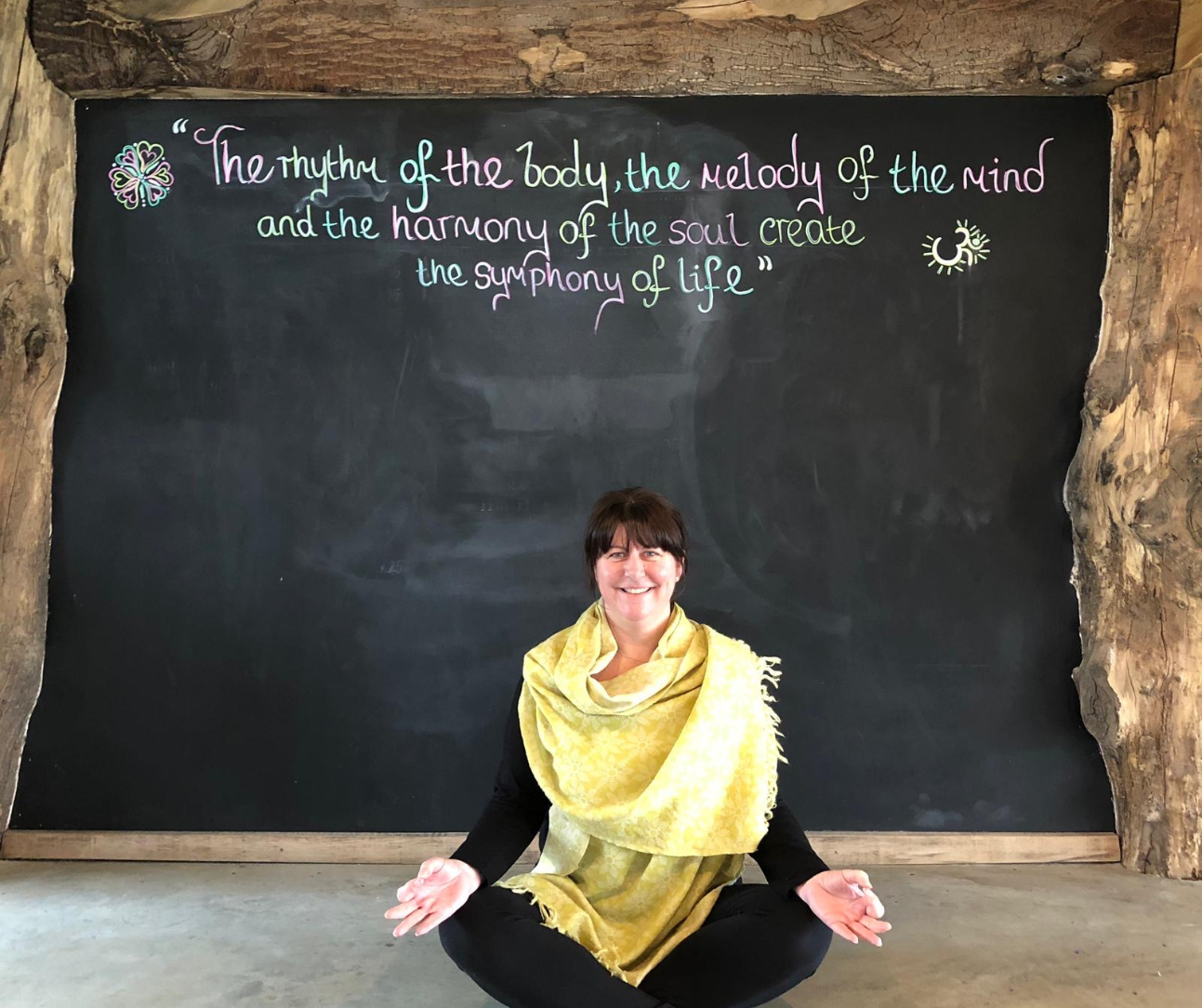
 Tania Murray